
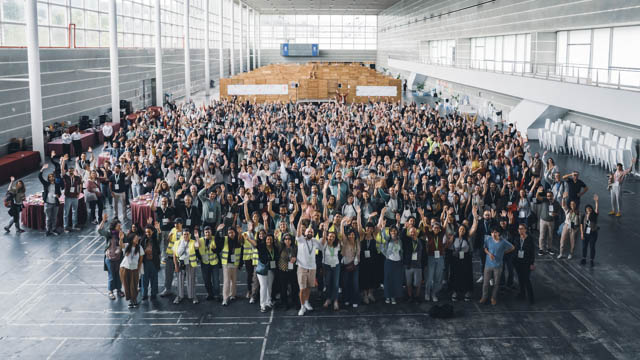
Click here to see the pics of the conference
🌿 Reflection: What we heard from 175 voices
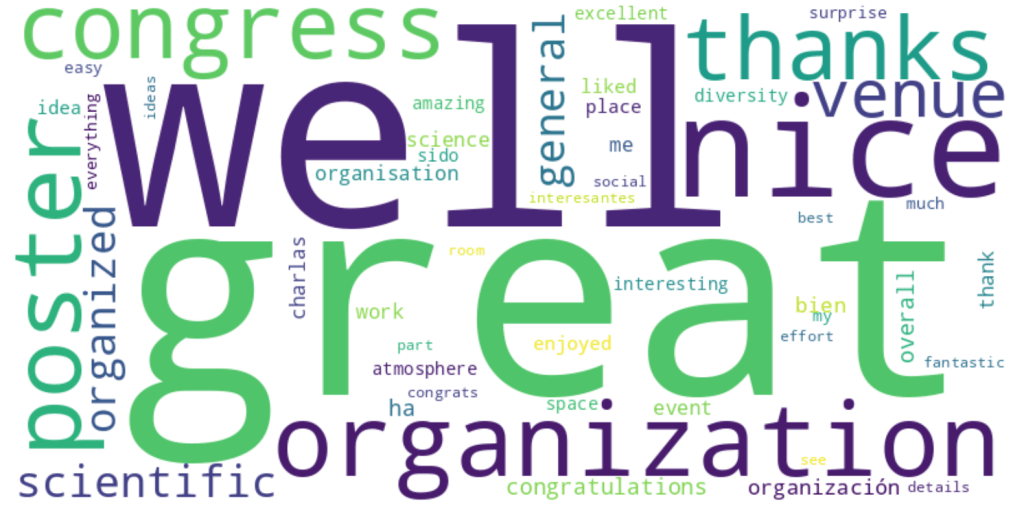
This post is the result of a text analysis (with AI) of 525 open comments shared by 175 attendees of the AEET-SIBECOL 2025 conference held in Pontevedra. These voices were collected through post-conference google forms and reflect a rich mix of appreciation, critique, emotion, and thoughtful suggestions. Their responses — full of appreciation, critique, and thoughtful suggestions — offer a rare and honest look into what it meant to be part of this gathering.
The AEET conference was not just an academic event. It was a statement.
That science can be rigorous and deeply human.
That excellence doesn’t exclude inclusion, care, and courage.
That research can be grounded in data — and still resonate with values.
Attendees left not only with new knowledge, but with the feeling that they had been part of something that mattered. A space where ideas flowed, but so did empathy, laughter, and reflection. Where poster sessions and plenaries lived alongside surprise talks, music, childcare, safe spaces, and hard conversations.
Yes, there were things to improve — especially around food and the packed program. But the presence of critique reflects not disengagement, but investment. People spoke up because they believe in what AEET represents — and want to help shape its future. The next edition doesn’t just need to be bigger. It needs to go deeper.
Deeper in inclusion.
Deeper in sustainability.
Deeper in community.
Deeper in the kind of science we dare to imagine.
Because another kind of science is not only possible — we just saw it begin to take shape. The AEET conference received an overwhelming wave of positive feedback, with attendees applauding the exceptional scientific content, the inspiring plenary sessions, the innovative surprise talks, and the deep integration of diversity, inclusion, and care values across all aspects of the event.
🌱 Outstanding scientific quality
Participants widely recognized the academic excellence of the conference. Many noted that the diversity and depth of ecological topics offered a rich and stimulating environment for learning and dialogue:
«The conference was very well organized and the scientific quality was high.»
«Great Organization! The best conference I have been to so far. Congrats!»
The structure and punctuality of the sessions were also appreciated, with multiple comments praising the smooth transitions between talks and the ability to attend several sessions in a row without issue.
«The presentations and plenary talks were very interesting. The human labor to make the conference work was outstanding.»
«All the sessions were close to each other, so it was really easy to change from one to another.»
🎤 Inspiring plenary talks and surprise sessions
The plenary sessions were frequently described as engaging, thought-provoking, and diverse in their content and speakers:
«Excellent key talks. The attention from organizers was great, and I really liked the surprise talks before key talks where you tackled uncomfortable themes for scientists.»
«The plenary talks were specially good and for a wide range of topics.»
The “surprise talks” were a highlight for many — an original feature that resonated deeply with the values of critical reflection and academic openness:
«The surprise talk format was really original and engaging.»
«Very interesting surprise talks opening each day that made us reflect — congratulations and thank you.»
These talks tackled themes like diversity, harassment in science, equity, and the social responsibilities of ecologists — creating spaces that bridged research and real-world ethics.
🌈 A model for diversity and inclusion
Perhaps one of the strongest messages in the compliments was a shared appreciation for the inclusive vision of the conference. Attendees praised the efforts to make everyone feel welcome:
«The inclusivity during the conference was very welcoming!»
«I really liked the inclusiveness of the congress — e.g., no gender toilets.»
«Having menstruation products available was also a pleasant surprise.»
«The conference addressed socially charged topics like diversity and fairer science, which I found truly inspiring.»
Workshops and sessions addressing feminism, LGBTQ+ issues, and the need for ethical changes in academia were not just included but placed prominently in the program — something that many participants found bold, refreshing, and necessary.
«It was quite brave and meaningful to include themes like sexual harassment and diversity before plenaries. That made a big difference.»
🥳 Unforgettable social events and atmosphere
Beyond the science, the conference succeeded in creating a warm and lively atmosphere. The social events — including dinners, field trips, and live music — were universally praised:
«The conference dinner was fantastic — great music and energy!»
«Very cool atmosphere!»
«The social activities helped build strong connections across attendees and were inclusive.»
The poster sessions, often the underdog of academic conferences, were repeatedly described as exceptional, largely thanks to their location, timing, and the addition of snacks and drinks, which encouraged meaningful exchanges:
«The poster session was probably the best I have ever seen at any conference.»
«I loved the food near the poster areas — it created a welcoming vibe and encouraged participation.»
👶 Family-friendly, accessible and human-centered
Attendees with children or caregiving responsibilities expressed genuine gratitude for the family-friendly services available — particularly the childcare, rest areas, and the human-centered infrastructure:
«The childcare service was incredible. It allowed me to attend all the talks I wanted with peace of mind.»
«Muchísimas gracias por el servicio de ludoteca — ha sido una ayuda enorme y ojalá se mantenga en futuros congresos.»
«The small details — all-gender restrooms, conciliation room, menstrual health support — made a huge difference and showed care.»
These features didn’t just remove barriers — they reflected a deeper philosophy of community, respect, and wellbeing, setting a new standard for academic events. The AEET Conference was more than a scientific meeting. It was a vibrant, thoughtful, and inclusive gathering that set a new benchmark for how ecological research can be shared — with rigor, openness, and care.
From the excellent scientific program, to the courageous social themes, the inspiring talks, the inclusive services, and the unforgettable atmosphere, participants left not only more informed, but deeply inspired.
«It was my first congress and I fully enjoyed it. Good atmosphere and very nice insights on different topics… Keep going!»
Summary of complaints at the AEET conference
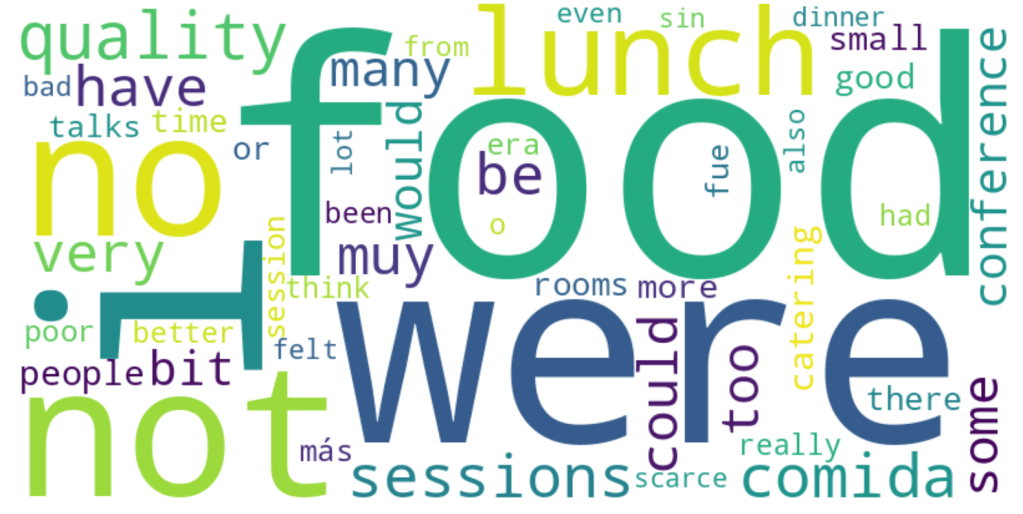
While the AEET conference was widely celebrated, a major point of criticism from many attendees was the food quality, quantity, and sustainability. Numerous participants described the food as insufficient and low in quality:
«The food was bad.»
«Tiny sandwiches, people were still hungry afterwards.»
«Considering Galicia’s food culture, this was disappointing.»
Vegetarians and vegans expressed frustration over limited, repetitive meals:
«The vegan option had the same soy protein all week.»
«Why ask about dietary needs if they’re ignored?»
Despite the eco-conscious messaging, the high use of disposable packaging felt contradictory:
«Too much compostable waste every day.»
Food service stood out as a clear area for improvement. Participants hoped future editions would offer better quality, real dietary accommodation, less waste, and more consistent eco-practices.
«Everything else was great — but the food really missed the mark.»
🧩 Suggestions for future AEET conferences
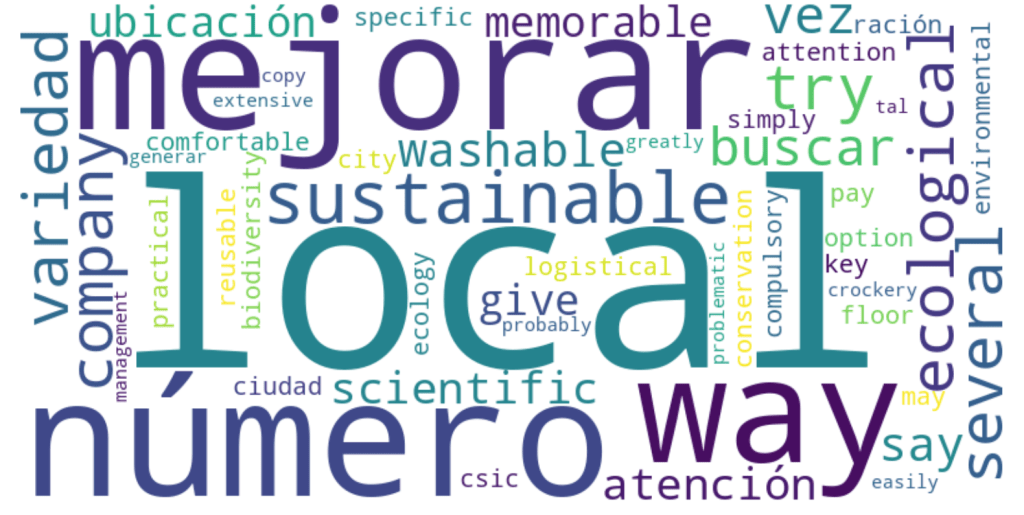
While overall feedback was very positive, many participants offered thoughtful ideas for improvement — especially in the areas of environmental sustainability and scientific session planning.
🌿 Sustainability and waste reduction
Although the conference promoted eco-friendly values, attendees noted inconsistencies between the message and actual practices — particularly around food and materials:
«Avoid picnic-style lunches with so much packaging.»
«Compostable containers are still waste — reusable options would align better with the ecological goals.»
Others encouraged a shift to digital programs and waste-free catering:
«Please rethink the catering system to match the sustainability theme of the event.»
📅 Fewer parallel sessions
Many suggested reducing the number of simultaneous sessions, to make the program easier to follow and avoid overlapping topics:
«Too many talks at the same time made it hard to choose.»
«Group related sessions and reduce overlap — I missed too many talks I wanted to attend.»
«Better to have fewer sessions than an overwhelming program.»
Longer breaks and better time buffers were also recommended to help facilitate networking without missing content. These suggestions reflect a shared desire to align AEET’s values with its logistics, ensuring future conferences are even more sustainable, accessible, and enjoyable.
🌿 Final reflection: a conference that mattered
The AEET Conference was more than a scientific meeting — it was a statement. A statement that research and community can coexist. That inclusion is not a detail but a foundation. That the future of science must also consider ethics, care, and courage.
Participants left full of ideas — not just from plenary talks and poster sessions, but from hallway conversations, surprise talks, field trips etc. They remembered not only what was said, but how it felt to be there: welcomed, respected, inspired.
Of course, there were imperfections — especially around food logistics and programming density. But those critiques reflect engagement, not disengagement. People cared enough to ask for better because they believed in what this conference represented.
In a time when academia can feel fragmented, rushed, or exclusionary, AEET offered something different: a space that took science seriously, and people even more so. The challenge now is not to repeat this success, but to deepen it.
Let the next edition build on this legacy — with even more coherence, sustainability, inclusiveness, and joy. Because another kind of science is not only possible — we just saw a glimpse of it.
Authors:
Mar Sobral, Alexandra Rodríguez, Sara Varela, Luis Sampedro, Jorge Durán and Margarita Lema
From Galicia with love!
 blogaeet.org